
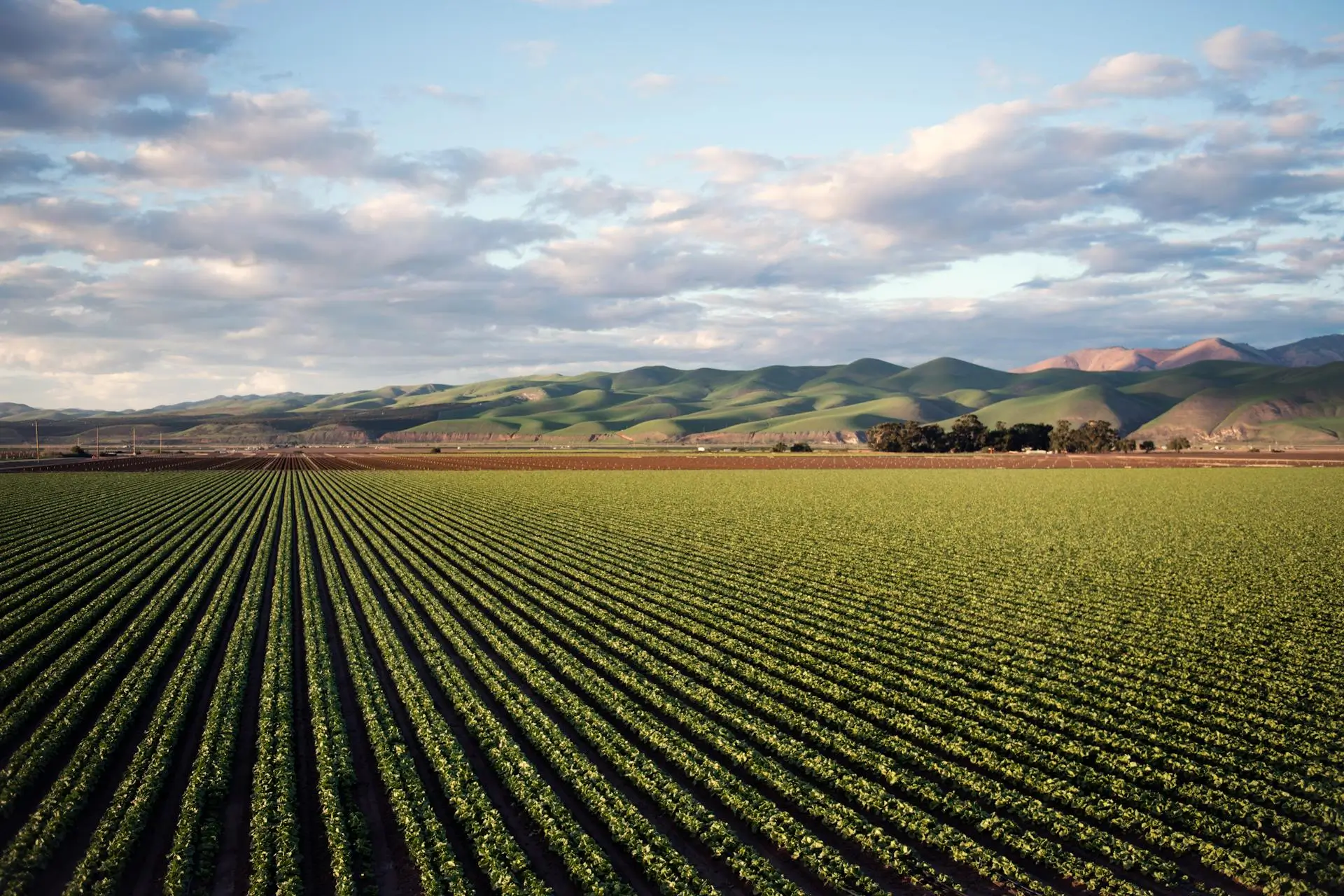
The global hospitality and catering industry is undergoing a major transformation driven by growing consumer awareness around food quality sustainability and ethical sourcing. At the center of this change is farm to table agriculture, a system that connects farms directly with restaurants caterers and event planners. This approach emphasizes freshness transparency and community impact while reducing dependence on long supply chains.
It is no longer a niche concept. It is becoming a preferred sourcing model for hospitality businesses that want to improve customer trust control food quality and support local economies. From restaurants and hotels to event catering companies this model is redefining how food is produced supplied and served.
What Is Farm to Table Agriculture
It refers to the practice of sourcing food directly from local farms and producers rather than relying on large scale distributors. This system shortens the journey from production to consumption ensuring ingredients are fresher more nutritious and ethically produced.
In hospitality and catering it means menus are built around seasonal availability local produce and direct relationships with farmers. This creates greater flexibility transparency and quality control across food services.
Why Farm to Table Agriculture Matters in Hospitality
Hospitality businesses depend heavily on food quality and consistency. Farm to table agriculture allows chefs and caterers to work closely with growers ensuring better control over ingredients taste and sourcing standards.
Another major benefit is trust. Customers increasingly want to know where their food comes from. It provides a clear and honest story behind every dish which strengthens brand reputation and customer loyalty.
Improving Food Quality and Freshness
One of the strongest advantages of farm to table agriculture is freshness. Ingredients harvested locally reach kitchens faster preserving flavor texture and nutritional value.
For event catering this freshness becomes even more important as large scale meals require consistent quality. It ensures that vegetables meats and dairy products are sourced at peak quality reducing waste and enhancing presentation.
Supporting Local Farmers and Communities
Farm to table agriculture plays a crucial role in strengthening local economies. By purchasing directly from farmers hospitality businesses help sustain agricultural livelihoods and promote fair pricing.
This model creates long term partnerships that benefit both sides. Farmers gain reliable buyers while restaurants and caterers gain access to consistent high quality ingredients. These relationships also help communities grow through job creation and skill development.
Sustainability and Environmental Benefits
Environmental sustainability is a major driver behind farm to table agriculture. Local sourcing reduces transportation emissions and packaging waste. It also encourages responsible farming practices that protect soil water and biodiversity.
Hospitality businesses adopting it can significantly reduce their environmental footprint while aligning with global sustainability goals. This commitment appeals strongly to environmentally conscious customers and partners.
Farm to Table Agriculture in Event Catering
Event catering demands efficiency reliability and excellence. Farm to table agriculture enhances catering operations by allowing planners to design menus around seasonal availability and local supply.
This approach also improves flexibility for weddings conferences and community events. Caterers can adjust menus quickly based on farm output ensuring consistent quality without relying on imported goods.
Many hospitality groups integrate it into their catering operations to ensure consistent supply across restaurants and events. For example businesses that operate both dining and event services often build internal food ecosystems that support quality and sustainability. You can explore how integrated hospitality and catering services work in practice by visiting Littel Lamb SL
Food Safety and Transparency
Food safety is a top priority in hospitality. Farm to table agriculture improves traceability allowing businesses to track ingredients from source to service. This transparency strengthens compliance with hygiene standards and builds customer confidence.
Direct sourcing also reduces handling points lowering contamination risks. With it kitchens gain better oversight of storage handling and preparation processes.
Reducing Dependence on Imported Food
Many hospitality businesses rely heavily on imported ingredients which exposes them to price fluctuations and supply disruptions. Farm to table agriculture helps reduce this dependence by strengthening local food systems.
This resilience is particularly important during global supply chain challenges. It allows businesses to maintain consistent operations even when international logistics are disrupted.
Consumer Demand for Authentic Dining Experiences
Modern diners value authenticity and purpose driven brands. Farm to table agriculture creates meaningful dining experiences by connecting food with culture community and sustainability.
Restaurants and event planners who embrace it can tell compelling stories that resonate with guests. These stories enhance brand differentiation and encourage repeat business.
Economic Benefits for Hospitality Businesses
While some assume farm to table agriculture is expensive the long term benefits often outweigh the costs. Reduced waste predictable pricing and improved customer loyalty contribute to stronger profitability.
Farm to table agriculture also supports menu innovation allowing chefs to create unique offerings based on seasonal availability rather than standardized imports.
Global Trends Supporting Farm to Table Agriculture
The rise of sustainable food systems is supported by international organizations and development programs. According to the Food and Agriculture Organization of the United Nations sustainable local food systems play a critical role in food security and economic development. You can learn more about sustainable agriculture initiatives at https://www.fao.org/home/en.
This global recognition further validates the importance of farm to table agriculture in modern hospitality.
How Hospitality Businesses Can Adopt Farm to Table Agriculture
Adopting farm to table agriculture starts with building relationships with local producers. Businesses should assess seasonal availability develop flexible menus and invest in supplier partnerships.
Training staff on sourcing standards food handling and sustainability practices is equally important. Over time it becomes a core part of business identity and operations.
Challenges and How to Overcome Them
While farm to table agriculture offers many benefits challenges such as limited supply seasonal variations and logistics can arise. These challenges can be addressed through diversified sourcing planning and collaboration with multiple producers.
Hospitality businesses that invest in strong supply relationships and adaptive planning can successfully scale it without compromising quality or consistency.
The Future of Farm to Table Agriculture in Hospitality
The future of hospitality is closely linked to sustainability transparency and social impact. Farm to table agriculture aligns perfectly with these values making it a long term strategy rather than a trend.
As consumer awareness grows businesses that prioritize it will be better positioned to compete build trust and create lasting value.
Conclusion
Farm to table agriculture is transforming hospitality and event catering by improving food quality supporting local economies and promoting sustainable practices. It strengthens supply chains enhances customer experiences and creates meaningful connections between farms and tables.
For hospitality businesses looking to grow responsibly it is not just an option but a strategic advantage that delivers long term impact and resilience.